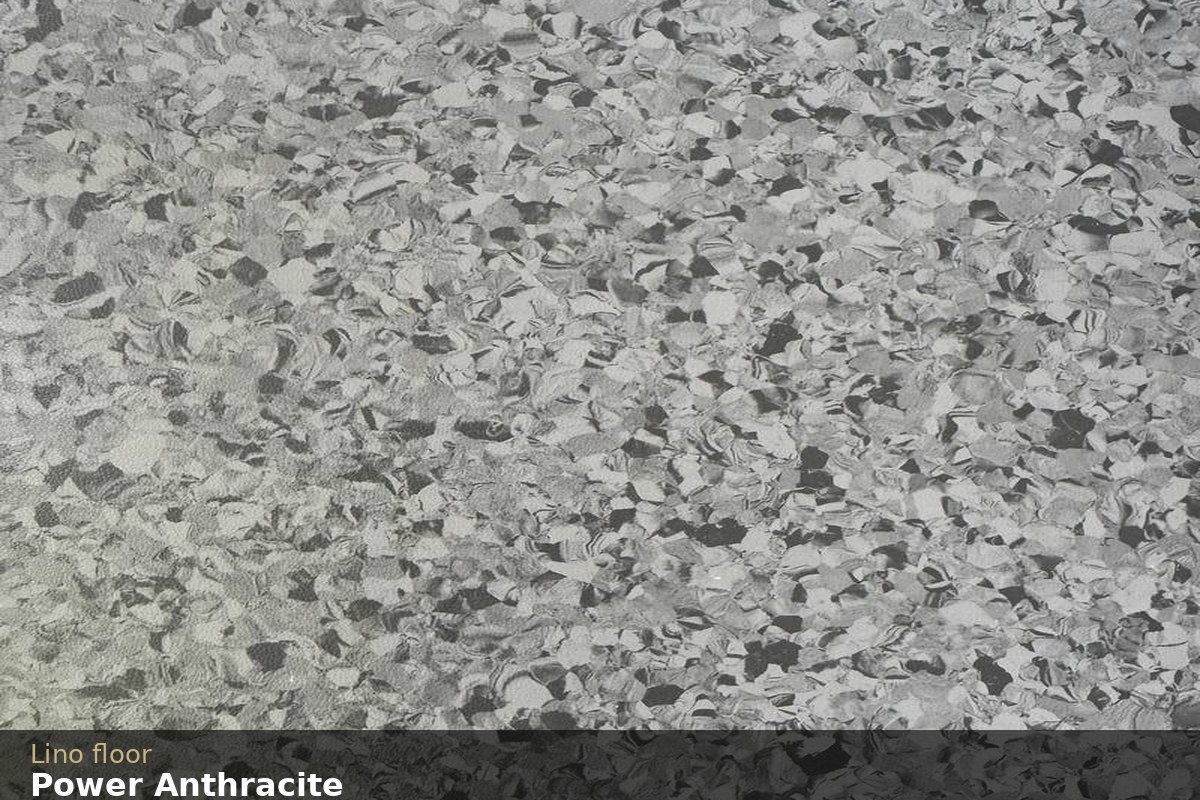
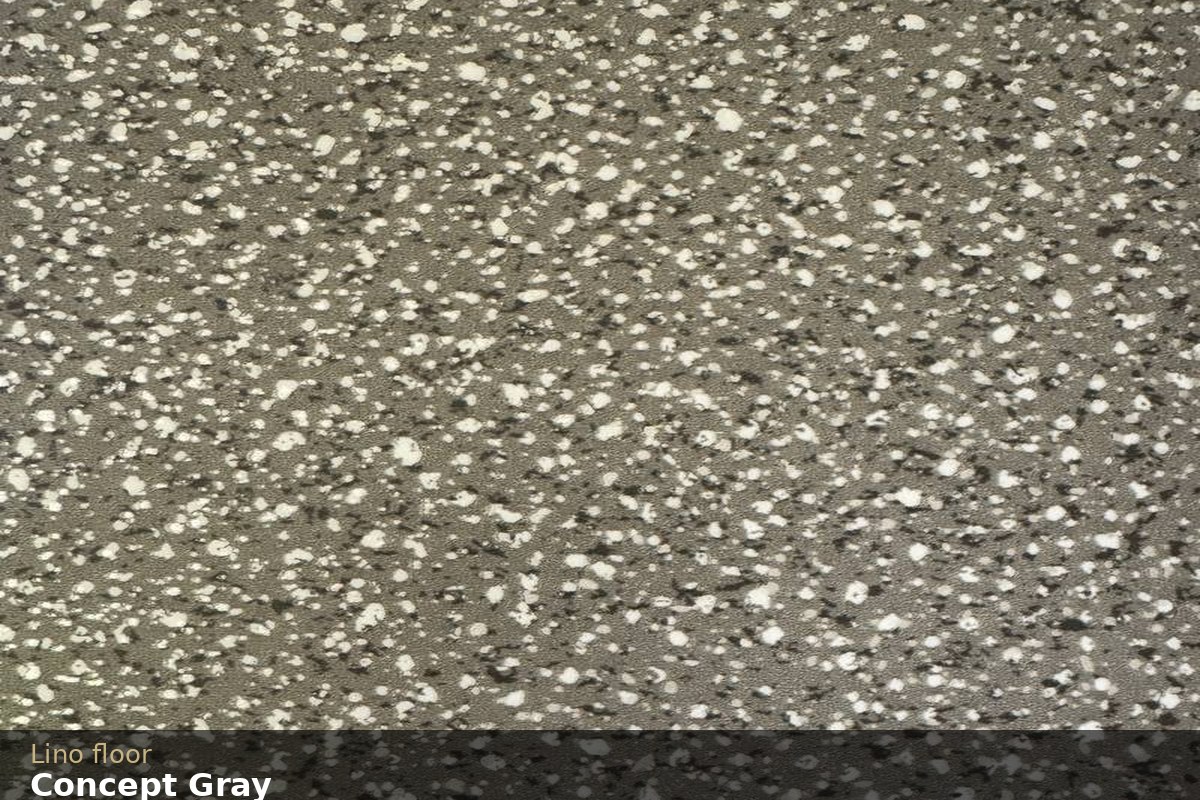
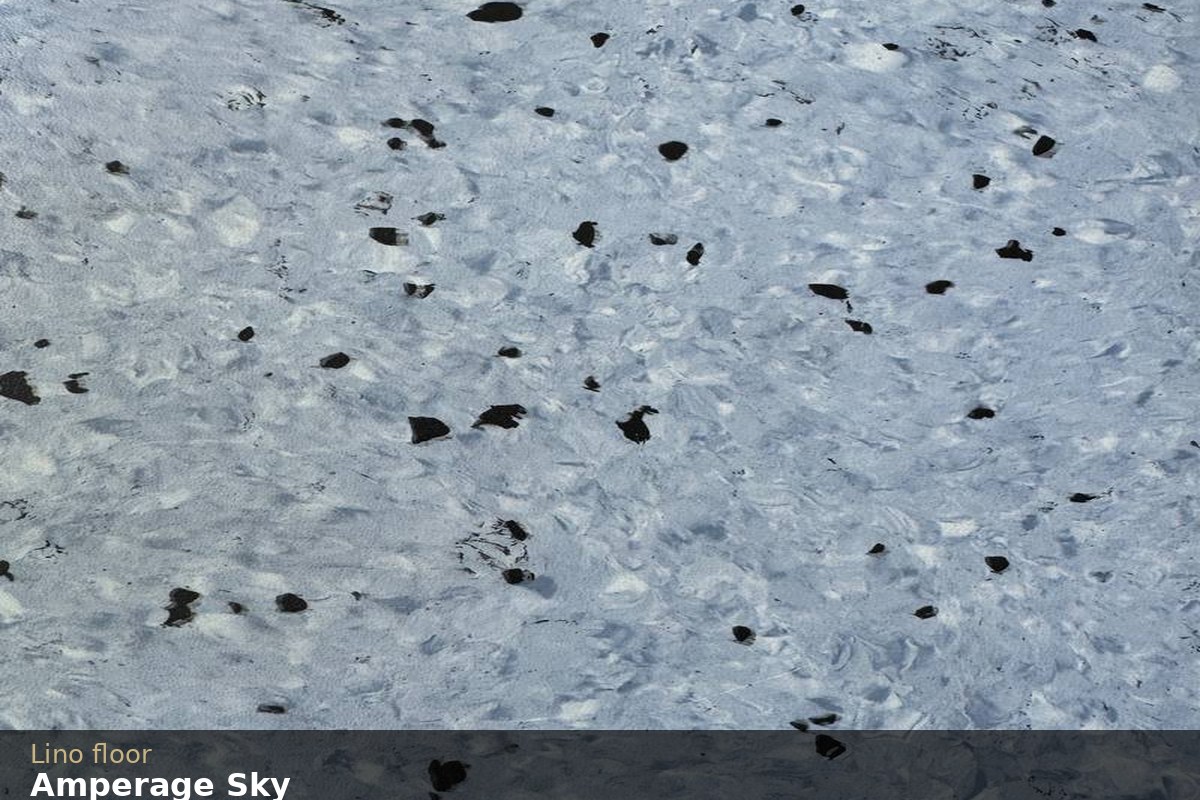
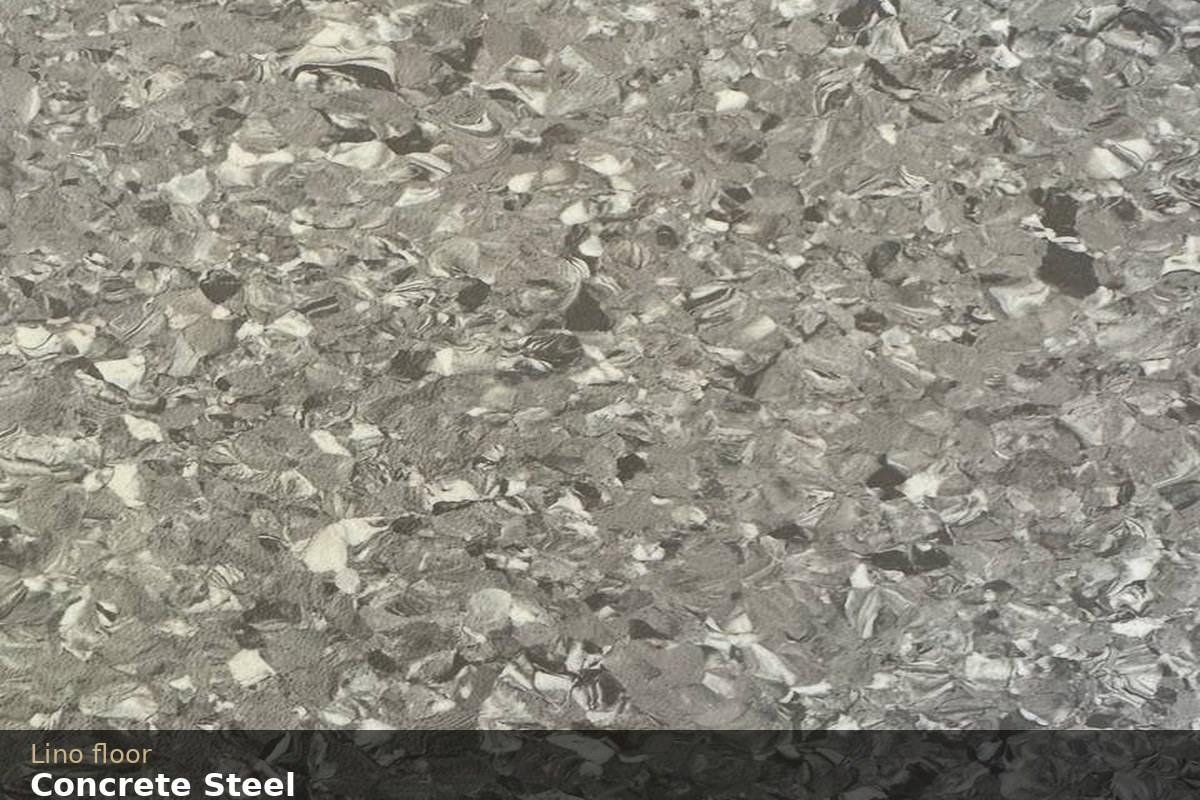
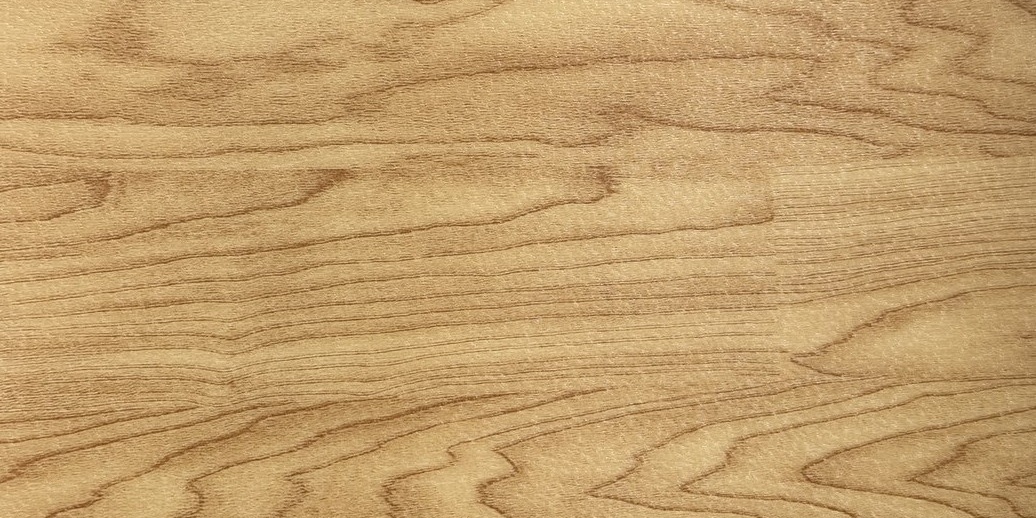
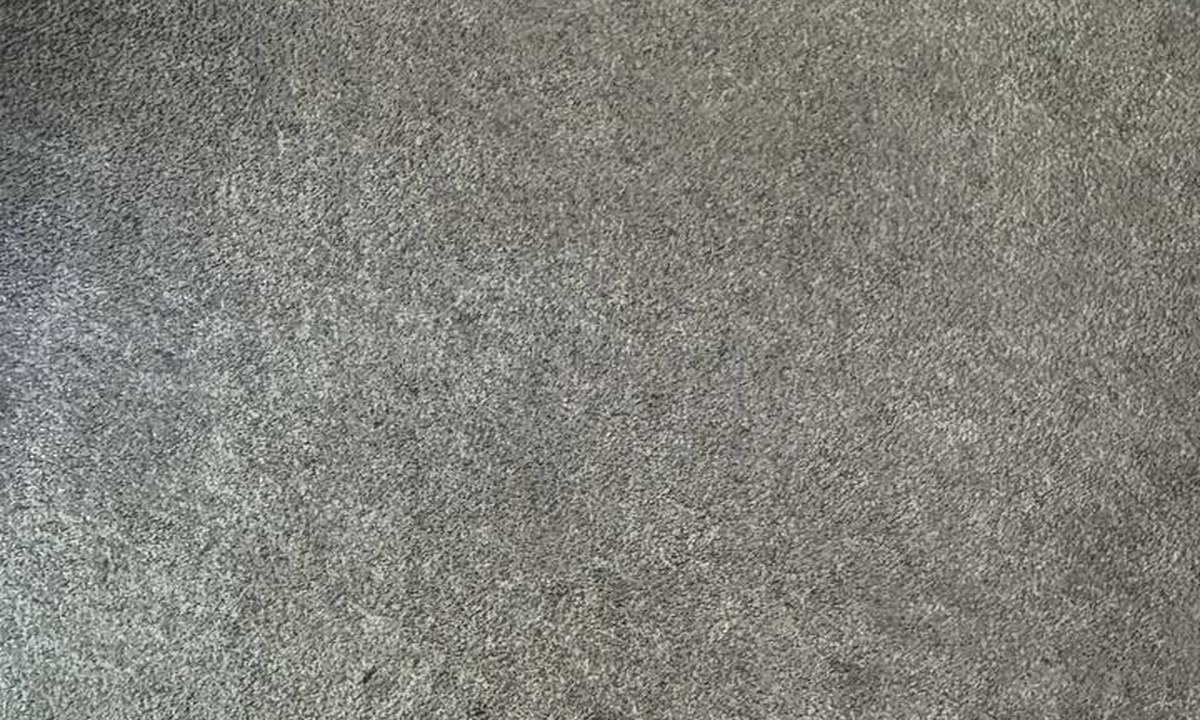

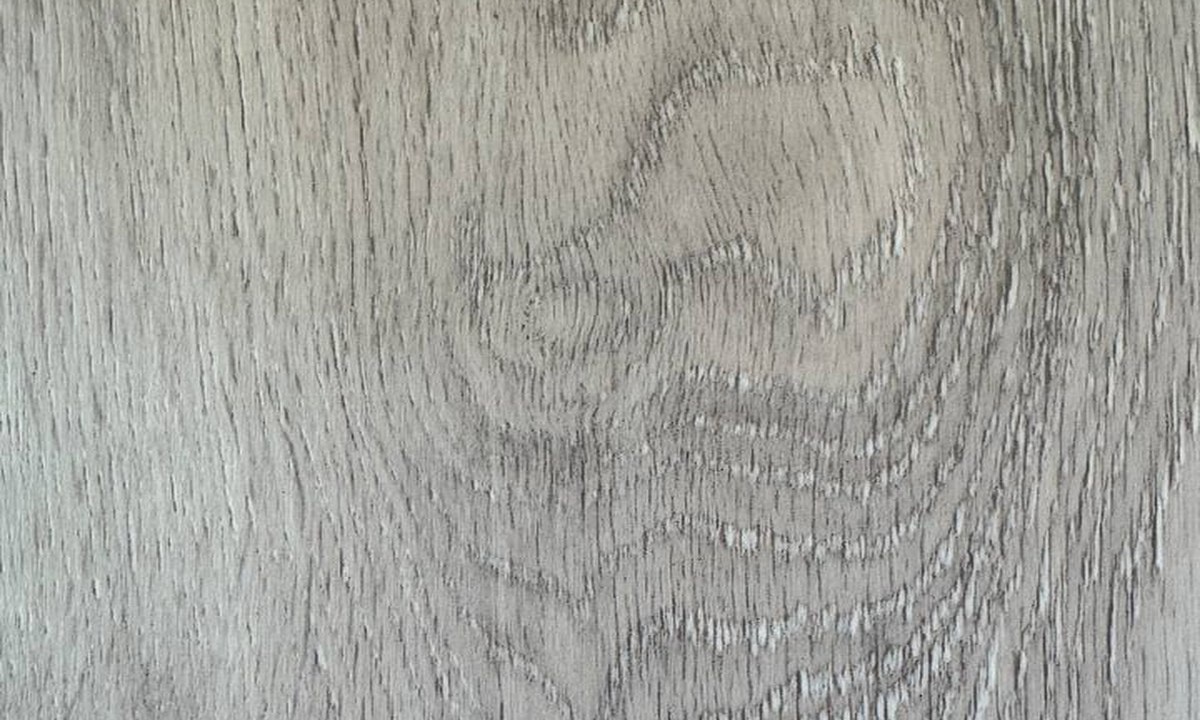
Premium linoleum and tile for commercial and corporate interiors. Own manufacturing. Working with designers and developers.


| Main parameters | |
| Thickness | 2.0 mm |
| Width | 2 m |
| Length | 20 m |
| Weight | 2800 g/m² |
| Safety | |
| Fire rating | B1 |
| Toxic testing | Good |
| Electrical resistance | >10⁹⁻¹⁰ kv |
| Performance | |
| Slip resistance dry | ≥0.3 |
| Slip resistance wet | R10 |
| Abrasion group | T |
| Abrasion resistance | ≤0.18 mm |
| Castor wheel test | Suitable |
| Colour fastness | ≥6 |
| Chemical products resistance | Good |
| Dimensional stability | ≤0.40% |
| Flexibility | Excellent |
| Residual indentation | ≤0.10 mm |
| Effect of castor chair | No delamination no cracks |
| Hygiene treatment | Very good |
| Impact sound reduction | Approx. +4 dB |
| Indentation | ≈0.09 Approx. 0.05 mm |
| Thermal conductive | ≈0.25 W/(m.K) |
| Underfloor heating | Suitable max. 30°C |
| Main parameters | |
| Thickness | 2.0 mm |
| Width | 2 m |
| Length | 20 m |
| Weight | 3150 g/m² |
| Safety | |
| Fire rating | B1 |
| Toxic testing | Good |
| Electrical resistance | >10⁹⁻¹⁰ kv |
| Performance | |
| Slip resistance dry | ≥0.3 |
| Slip resistance wet | R9 |
| Abrasion group | P |
| Abrasion resistance | ≤0.18 mm |
| Castor wheel test | Suitable |
| Colour fastness | ≥6 |
| Chemical products resistance | Good |
| Dimensional stability | ≤0.40% |
| Flexibility | Excellent |
| Residual indentation | ≤0.10 mm |
| Effect of castor chair | No delamination no cracks |
| Hygiene treatment | Very good |
| Impact sound reduction | Approx. +4 dB |
| Indentation | ≈0.09 Approx. 0.05 mm |
| Thermal conductive | ≈0.25 W/(m.K) |
| Underfloor heating | Suitable max. 30°C |
| Description | |
| Construction | Compact heterogeneous |
| Total thickness | 2.0 mm |
| Wear layer thickness | 0.4 mm |
| Width of roll | 2 m |
| Length of roll | 20 m |
| Total weight | 3050 g/m² |
| Classification | |
| European classification | 32 |
| Dimensional stability | max. 0.13% |
| Light fastness | >6 grade |
| Performance | |
| Abrasion group | T |
| Fire resistance | B1 |
| Slip resistance | R9 |
| Static indentation | 0.16 |
| Chemical resistance | ✓ |
| Castor chair resistance | ✓ |
| Acoustic insulation | 19 Db |
| Bacterial resistance | ✓ |
| Main parameters | ||
| Thickness | mm | 4.0 |
| Size | m | 20×2 m (Gem/Lychee) / 20×1.8 m (Wood) |
| Weight | g/m² | 2900 (Gem/Lychee) / 2800 (Wood) |
| Top Layer | mm | 0.85 |
| Shock Absorption | ||
| Shock Absorption (0°C ± 2°C) | % | 20.4 |
| Shock Absorption (23°C + 2°C) | % | 20.8 |
| Shock Absorption (50°C + 2°C) | % | 21.6 |
| Performance | ||
| Vertical Deformation | mm | 1.4 |
| Anti-slip Value | BPN, 20°C | 84 |
| Tensile Strength | Mpa | 3.1 |
| Laser Elongation | % | 200 |
| Flame Retardant Properties | level | I |
| Ecology | ||
| Soluble Lead Content | mg/kg | 0.5 |
| Soluble Tin Content | mg/kg | not detected |
| Soluble Chromium Content | mg/kg | not detected |
| Soluble Mercury Content | mg/kg | not detected |
| Formaldehyde Emission | mg/(m².h) | 0.04 |
| Benzene Release | mg/(m².h) | not detected |
| Total Release Of Toluene | mg/(m².h) | not detected |
| Disulfide Release Amount | mg/(m².h) | not detected |
| Product information | |
| Type of flooring | Homogeneous |
| Material | Polyvinyl chloride |
| Cover | PUR |
| Safety criteria | |
| Flammability | BFL-S1 |
| Slip resistance | R9 |
| Dynamic coefficient of friction | DS |
| Performance behaviour | |
| Width of roll | 2 m |
| Length of roll | 20 m |
| Total thickness | 2.0 mm |
| Total weight | 3.2 kg/m² |
| Dimensional stability | x: ≤0.4% y: ≤0.4% |
| Electrical resistance | ≤ 1×10⁶ Ω |
| Residual indentation | ≤ 1 mm |
| Soundproofing | 2 db |
| Classification | |
| Domestic | Class 23 heavy duty |
| Commercial | Class 34 very heavy duty |
| Industrial | Class 43 heavy duty |
| Description | |
| Construction | Luxury Vinyl Tile |
| Dimension | 304.8×609.6 mm / 180×1220 mm |
| Total thickness | 2.5 mm |
| Wear layer thickness | 0.3 mm |
| Total weight | 4.79 kg/m² |
| Amount per box | 3.716 m² |
| Amount of pieces per box | 20 pieces |
| Amount per pallet | 252.70 m² |
| Classification | |
| European classification | Class 23/31 |
| Performance | |
| Abrasion group | T |
| Residual indentation after exposure to heat | ≤0.2 mm |
| Dimensional stability (60°C/6Hr) | ≤0.15% |
| Thermal resistance | 0.22 W/m·K |
| Fire resistance | Bf1-s1 |
| Electrical resistance | ✓ |
| Castor chair testing | ✓ |
| Chemical resistance | Class 0 |
| Slip resistance | DS |
| Formaldehyde emission | E0 (no Formaldehyde) |
| Content of PCP | Does not contain |
| VOC emission | Pass |
| Product Information — 177.8×1219.2 mm | |
| Total thickness | 2.5 mm |
| Top layer | 0.7 mm |
| Embossing | MA embossing |
| sqm per box | 2.601 m² |
| Number per box | 12 pieces |
| Amount per pallet | 208.102 m² |
| Amount per 20ft container | 4162.05 m² |
| CE code | 23-0423 |
| Weight per m² | 4.36 kg |
| Weight per box | 11.6 kg |
| Weight per pallet | 953 kg |
| Performance | |
| Product kind | Dry back vinyl flooring |
| Dimensional stability (60°C/6Hr) | Pass ≤0.15% |
| Slip resistance | DS EN13893 |
| Residual indentation | Pass ≤0.2 mm |
| Wear resistance | Group T |
| Fire resistance | Bf1-s1 |
| Castor chair testing | Pass |
| Thermal resistance | 0.22 W/m·K |
| Electrical resistance | Pass |
| Grade level | 34 |
| Pure PVC | 100% |
| Softener | DOTP (phthalate-free) |
| Formaldehyde emission | E0 (no Formaldehyde) |
| VOC emission | Pass |
| Product Information — 304.8×609.6 mm | |
| Total thickness | 2.5 mm |
| Top layer | 0.7 mm |
| Embossing | MA embossing |
| sqm per box | 3.716 m² |
| Number per box | 20 pieces |
| Amount per pallet | 252.696 m² |
| Amount per 20ft container | 5053.92 m² |
| CE code | 23-0423 |
| Weight per m² | 4.36 kg |
| Weight per box | 16.6 kg |
| Weight per pallet | 1150 kg |
| Performance | |
| Product kind | Dry back vinyl flooring |
| Dimensional stability (60°C/6Hr) | Pass ≤0.15% |
| Slip resistance | DS EN13893 |
| Residual indentation | Pass ≤0.2 mm |
| Wear resistance | Group T |
| Fire resistance | Bf1-s1 |
| Castor chair testing | Pass |
| Thermal resistance | 0.22 W/m·K |
| Electrical resistance | Pass |
| Grade level | 34 |
| Pure PVC | 100% |
| Softener | DOTP (phthalate-free) |
| Formaldehyde emission | E0 (no Formaldehyde) |
| VOC emission | Pass |
| Product Information — 177.8×1219.2 mm | |
| Total thickness | 2.5 mm |
| Top layer | 0.55 mm |
| Embossing | MA embossing |
| sqm per box | 3.901 m² |
| Number per box | 18 pieces |
| Amount per pallet | 234.06 m² |
| Amount per 20ft container | 4681.2 m² |
| CE code | 18-0570 |
| Weight per m² | 4.36 kg |
| Weight per box | 17.35 kg |
| Weight per pallet | 1066 kg |
| Performance | |
| Product kind | Dry back vinyl flooring |
| Dimensional stability (60°C/6Hr) | Pass ≤0.15% |
| Slip resistance | DS EN13893 |
| Residual indentation | Pass ≤0.15% |
| Wear resistance | Group T |
| Fire resistance | Bf1-s1 |
| Castor chair testing | Pass |
| Thermal resistance | 0.22 W/m·K |
| Electrical resistance | Pass |
| European classification | 34 |
| Pure PVC | 100% |
| Softener | DOTP (phthalate-free) |
| Formaldehyde emission | E0 (no Formaldehyde) |
| VOC emission | Pass |
| Product Information — 304.8×609.6 mm | |
| Total thickness | 2.5 mm |
| Top layer | 0.55 mm |
| Embossing | MA embossing |
| sqm per box | 3.716 m² |
| Number per box | 20 pieces |
| Amount per pallet | 237.83 m² |
| Amount per 20ft container | 4756.63 m² |
| CE code | 18-0570 |
| Weight per m² | 4.36 kg |
| Weight per box | 16.6 kg |
| Weight per pallet | 1082 kg |
| Performance | |
| Product kind | Dry back vinyl flooring |
| Dimensional stability (60°C/6Hr) | Pass ≤0.15% |
| Slip resistance | DS EN13893 |
| Residual indentation | Pass ≤0.15% |
| Wear resistance | Group T |
| Fire resistance | Bf1-s1 |
| Castor chair testing | Pass |
| Thermal resistance | 0.22 W/m·K |
| Electrical resistance | Pass |
| European classification | 34 |
| Pure PVC | 100% |
| Softener | DOTP (phthalate-free) |
| Formaldehyde emission | E0 (no Formaldehyde) |
| VOC emission | Pass |
Open-plan offices are here to stay. But selecting the right flooring goes far beyond aesthetics. Acoustics, wear resistance, safety and maintenance costs -- each of these factors directly affects the comfort and productivity of your team.
Unlike private offices, open-plan environments place several simultaneous demands on flooring. People are in constant motion, office chairs roll continuously, and equipment is spread across the floor. The covering must withstand this day after day -- for years. At the same time, any hard surface amplifies reverberation, which means the material and texture of the floor have a direct impact on the acoustic comfort of the entire space.
Both materials are widely used in commercial interiors and well suited to open-plan office conditions -- but each has distinct strengths.
Roll-format covering with no or minimal joints. Well suited to large, uniform areas. The softer base reduces impact noise and provides underfoot comfort during prolonged standing.
Seamless Better acoustics More complex installationModular covering with extensive zoning and partial replacement possibilities. Moisture-resistant and easy to install. Ideal for spaces with complex configurations or frequent layout changes.
Modular Easy replacement Visible tile jointsBefore specifying a floor covering, it is worth assessing the following: foot traffic intensity across different zones, the prevalence of castor-wheeled furniture, lighting levels (darker coverings conceal marks but can reduce the sense of space), and the long-term maintenance budget. In larger offices it is common practice to combine two types of covering -- linoleum in general circulation areas and vinyl tile in functional zones or high-load corridors.
Always confirm the commercial load class and relevant certifications with your supplier -- these factors have a significant impact on the actual service life of the covering.
Summary: The right flooring for an open-plan office is a balance between wear resistance, ease of maintenance and acoustic performance. Neither linoleum nor vinyl tile is a universal solution -- the optimal choice depends on the specific space, the budget and the pattern of use.
Commercial linoleum is one of the most durable floor coverings available -- but its longevity depends directly on the quality of day-to-day maintenance. A consistent care routine not only preserves the appearance of the floor, but can extend its service life by decades.
For routine maintenance, dry sweeping or dust-mopping is sufficient to remove loose debris. Damp mopping with a pH-neutral cleaner diluted in clean water is recommended for daily or high-frequency cleaning. Avoid using excessive water -- linoleum should never be flooded, as moisture can penetrate seams and cause dimensional instability over time.
Depending on traffic levels, periodic deep cleaning using a scrubbing machine with a mild cleaning agent is advisable. After deep cleaning, applying a maintenance polish or floor finish helps restore surface sheen and provides an additional protective layer against scuffs and wear.
Summary: Consistent, gentle cleaning with appropriate products is the single most effective way to protect your linoleum investment. The floor covering itself is highly durable -- the care routine determines how long it stays looking its best.
The lifespan of a commercial floor covering is rarely determined by the material alone. Installation quality, subfloor condition, traffic intensity and maintenance practices all play an equally important role.
Summary: A well-specified, correctly installed and properly maintained commercial floor covering should comfortably reach or exceed its rated service life. The investment in quality at the specification stage pays dividends across the full lifecycle of the building.
Subfloor preparation is the foundation of a successful flooring installation. No matter how high the quality of the floor covering, a poorly prepared substrate will compromise the result -- causing lifting, cracking, visible irregularities and premature failure of the adhesive bond.
Begin with a thorough inspection of the existing subfloor. Check for cracks, soft spots, delamination and any signs of previous water damage. Any structural defects must be repaired before proceeding.
Moisture is the most common cause of adhesive failure. Conduct a calcium chloride test or use a relative humidity probe to verify that moisture levels are within the adhesive manufacturer's tolerances. For concrete subfloors, a reading below 75% RH is typically required.
The subfloor must be flat to within 3 mm over a 2-metre span for most resilient floor coverings. Apply a self-levelling compound to fill dips, low spots and surface irregularities. Allow full cure time before proceeding -- typically 24 hours minimum.
Remove all dust, grease, paint residues and adhesive from previous installations. A clean, dry and contaminant-free surface is essential for reliable adhesive bonding. Prime the subfloor if recommended by the adhesive manufacturer.
Summary: Subfloor preparation is time-consuming but non-negotiable. A properly prepared substrate is the single most important factor in ensuring a long-lasting, problem-free floor installation.
Both linoleum and LVT vinyl tile are established commercial flooring solutions with strong performance credentials. Understanding their respective strengths is essential to making the right specification for a given project.
Choose linoleum when natural composition, acoustic performance and long-term durability are the primary requirements -- particularly in healthcare, education or large office environments. Choose LVT when waterproofing, design flexibility or modular replacement are the deciding factors -- particularly in hospitality, retail and mixed-use developments.
In larger or more complex projects, combining both materials -- linoleum in general circulation areas and LVT in wet zones, feature areas or high-load corridors -- often delivers the best overall result.
Summary: There is no universal answer. The right choice depends on the specific functional requirements, the aesthetic brief and the long-term maintenance strategy of the project. Contact our team for a specification consultation.
Specifying flooring for a large commercial project involves considerably more than selecting a product. It requires a systematic approach to performance requirements, logistics, certifications and long-term costs -- all of which have a direct bearing on the success of the installation.
Large commercial buildings typically have several distinct zones, each with different loading conditions. Entrance areas and main corridors require Class 34 (very heavy commercial). Office floors may be adequately served by Class 33. Back-of-house and service areas may have specific requirements for chemical resistance, ESD protection or hygiene standards. Map each zone before specifying a product.
For large-volume orders, confirm batch consistency with your supplier -- colour and texture variations between production batches are a common source of disputes on large projects. Request samples from the specific production batch if possible, and confirm delivery schedules against the installation programme well in advance.
Summary: Successful large-scale flooring specification requires early engagement with a knowledgeable supplier, a zone-by-zone performance analysis and rigorous documentation of certifications. Our team has extensive experience supporting architects, designers and project managers through the full specification process.
Last updated: June 2025
Lino Floor (hereinafter "we", "us" or "our") operates the website nikolaeva12072017-sudo.github.io/linofloor. We are responsible for the processing of your personal data in accordance with applicable data protection legislation.
Contact: info@linofloor.ua
When you use our website or contact us, we may collect the following information:
We use your personal data solely for the following purposes:
We do not sell, rent or share your personal data with third parties for marketing purposes.
We process your data on the basis of: (a) your consent, where applicable; (b) the performance of a contract or pre-contractual steps at your request; (c) our legitimate interest in responding to business enquiries and improving our services.
We retain personal data only for as long as necessary to fulfil the purposes for which it was collected, or as required by law. Enquiry data is typically retained for a period of 3 years from the date of last contact.
You have the right to:
To exercise any of these rights, please contact us at info@linofloor.ua
This website does not use tracking or advertising cookies. We may use essential technical cookies solely to ensure proper functioning of the website.
We may update this Privacy Policy from time to time. Any changes will be posted on this page with an updated date. We encourage you to review this policy periodically.
For any questions regarding this Privacy Policy, please contact us at info@linofloor.ua
Leave your details and we will get back to you shortly.
Lino Floor is a manufacturer and supplier of premium floor coverings, established in 2009. We specialise in commercial and corporate interiors: offices, hotels, medical and educational facilities, residential complexes and private homes.
Our own production facilities allow us to control quality at every stage — from raw materials to the finished product. All coverings are certified to European standards (CE, EN ISO).
We work with designers, developers and contractors internationally, offering a partner programme, full technical project support and samples for testing.